Lipo C With B12 Injections Benefits Lipo-C Injection
Lipo-C Injection: What I Learned About Using Lipo C With B12 Injections Benefits
If you’ve ever tried to standardize an IV/IM vitamin routine for low energy, recovery, or deficiency concerns, you already know how messy it can get—different products, inconsistent dosing schedules, and mixed patient responses. In my hands-on clinic work, that uncertainty is usually what drives patients away from “supplement roulette” and toward a structured plan. That’s why people search for lipo c with b12 injections benefits: they want a practical, evidence-informed reason to pair these nutrients, and they want to know what to expect in the real world.
This guide explains what Lipo-C injection typically is, how it’s commonly used alongside B12, what benefits people pursue, the limits of what injections can (and can’t) do, and how to approach this conversation safely with a clinician.
What Lipo-C Injection Usually Means (And Why Pair It With B12)
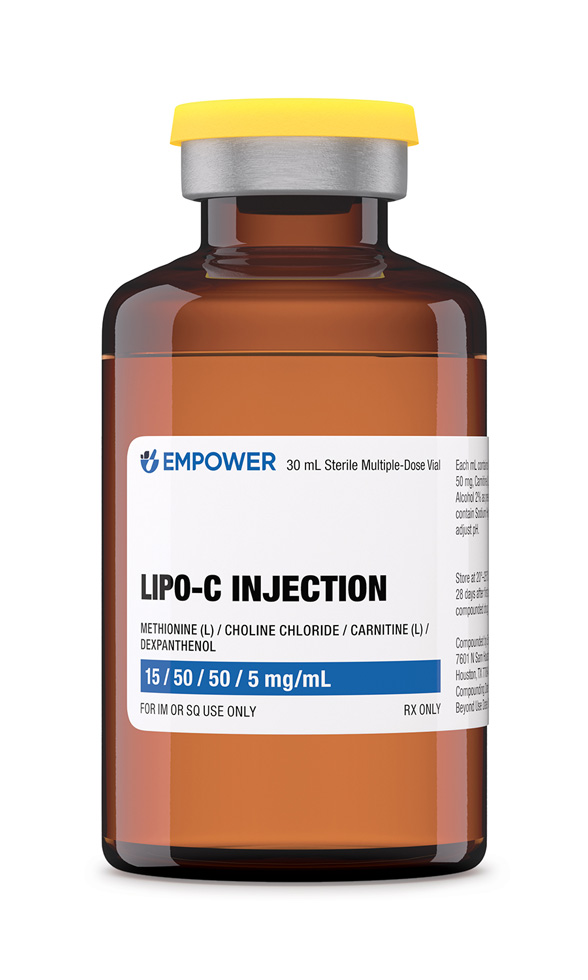
“Lipo-C injection” is commonly used to refer to a vitamin product centered on lipoic acid and vitamin C (the exact formulation can vary by manufacturer and region). People often add or compare it with vitamin B12 because B12 plays a different—though complementary—role in the body.
How lipoic acid and vitamin C can work together
In my experience, the biggest “why” behind lipoic acid plus vitamin C is the antioxidant and cellular-stress framework. Vitamin C supports redox balance and is involved in processes like collagen synthesis. Lipoic acid is known for participating in cellular redox reactions and for being used as part of some metabolic-support strategies.
When patients ask about “benefits,” what they usually want to know is whether this combo can help with:
- Oxidative stress and overall cellular recovery support
- Energy and wellness—especially when fatigue is linked to nutritional gaps or metabolic strain
- Skin and tissue repair support (indirectly, via vitamin C pathways)
Why B12 is often discussed with it
Vitamin B12 is strongly tied to red blood cell formation and neurologic function. When B12 is low, fatigue and nerve-related symptoms can show up. In practical clinic terms, pairing conversations often happen because:
- People with fatigue commonly suspect “vitamin deficiencies,” and B12 is one of the most checked nutrients.
- Some regimens aim to address both antioxidant support (lipoic acid + vitamin C) and deficiency-related energy/nerve support (B12).
Important: Pairing nutrients doesn’t guarantee symptom resolution. In my hands-on work, the biggest predictor of results is still whether the underlying cause is addressed (for example, confirmed deficiency, diet issues, medication effects, or an underlying medical condition).
lipo c with b12 injections benefits: What People Typically Seek
Let’s make this practical. Below are the goals patients commonly associate with lipo c with b12 injections benefits, plus what I consider realistic based on how people respond in practice.
1) Support for fatigue linked to nutritional insufficiency
If fatigue is connected to low B12, or borderline micronutrient status, injections may improve energy more noticeably than oral options for some people. I’ve seen cases where patients felt a difference after a consistent injection schedule—especially when a clinician confirmed deficiency or high risk (dietary limitations, absorption issues, certain medications).
That said, fatigue can have many causes (sleep problems, thyroid issues, anemia, depression, chronic stress). In those scenarios, injections may help only partially unless the root cause is treated.
2) Antioxidant and recovery-focused wellness support
People also use these injections for “recovery” framing—general vitality, post-workout well-being, or stress tolerance. In my experience, this tends to work best when paired with basics that injections can’t replace: adequate calories, hydration, protein intake, and sleep.
Consider this an add-on, not a replacement for lifestyle and medical care.
3) Neurologic symptom support when B12 deficiency is confirmed
For nerve-related concerns (tingling, numbness, balance issues), B12 adequacy matters. If deficiency is actually present, replenishing B12 is more likely to matter than antioxidant support alone.
If symptoms are neurologic, I strongly recommend clinician evaluation rather than self-treating, because other causes can mimic B12-related issues.
How Lipo-C and B12 Regimens Are Commonly Approached
Injection regimens vary by country, product concentration, and clinical judgment. In my practice, the structure usually follows a few principles: confirm need, set a schedule, monitor response, and stop or adjust if there’s no meaningful improvement.
Typical workflow I use with patients (experience-based)
- Clarify symptoms and timeline: When did fatigue or other symptoms start? Any triggers (diet changes, stress, new meds)?
- Check the “why”: If B12 deficiency is suspected, we discuss labs and risk factors (dietary intake, absorption concerns).
- Choose the regimen: We consider whether the goal is replacement (deficiency) or wellness support (optimization).
- Track outcomes: I advise patients to use a simple symptom log (energy level, sleep quality, appetite, any tingling) for 2–4 weeks after starting.
- Reassess: If there’s minimal change and labs don’t support deficiency, I typically shift strategy rather than escalating blindly.
What I’ve found about timelines
When injections help, many people notice at least some change within a few weeks. But if symptoms are chronic or due to non-nutritional causes, the response can be slower or muted. That’s why I prefer measurable follow-up rather than “waiting it out.”
Safety, Limitations, and Real-World Considerations
Injections can be appropriate, but they’re not harmless vitamins-by-default. Here are the key limitations I’ve seen matter in real outcomes.
1) “More injections” isn’t automatically better
One of the most common mistakes I’ve seen is escalating frequency without reassessing the cause of symptoms. If B12 isn’t deficient, or if fatigue is from a different condition, injection frequency won’t fix the underlying driver.
2) Allergic reactions and injection tolerance
Any injectable product can cause discomfort, local irritation, or—rarely—more significant reactions. If you’ve ever reacted to injectable vitamins or have a history of allergies, discuss that before starting a regimen.
3) Drug interactions and medical conditions
B12 and vitamin C can be relevant to certain medical contexts (for example, kidney-related considerations for vitamin C intake). I recommend clinician oversight—especially if you’re pregnant, have chronic kidney disease, or take multiple medications.
4) Symptoms can overlap across conditions
Fatigue, tingling, and “low energy” can come from many problems. If symptoms are persistent, worsening, or neurologic, self-treatment can delay proper care.
Choosing a Lipo-C Injection Product: What to Check
If you’re considering lipo c with b12 injections benefits, product selection matters. I usually look for these practical items:
- Exact formulation: Confirm what the product contains (lipoic acid, vitamin C, and any B12—if included or used in the same regimen).
- Concentration per mL and volume: This affects dosing decisions.
- Storage and handling instructions: Helps maintain product integrity.
- Clear guidance on administration: Route (IM/IV), frequency, and who should administer.
If a product label is unclear, I’ve found it better to ask the prescriber or pharmacist before proceeding.
FAQ
What are the main lipo c with b12 injections benefits?
People most often pursue support for fatigue and wellness (especially if nutritional deficiency is part of the picture), antioxidant/recovery-focused goals, and—when B12 deficiency is confirmed—neurologic and energy-related symptom support. Outcomes vary depending on the underlying cause of symptoms.
How soon can I expect results from Lipo-C with B12 injections?
When injections are addressing a deficiency or a related nutritional cause, some people notice improvement within a few weeks. If symptoms come from other causes, changes can be limited or slow—so it’s important to track symptoms and reassess with a clinician.
Is it safe to take Lipo-C and B12 injections without lab tests?
Many people do start without testing, but it’s not the most reliable approach—especially for neurologic symptoms or persistent fatigue. In my experience, labs and a clinician’s guidance lead to more targeted treatment and fewer wasted injection cycles.
Conclusion: A Practical Next Step
Lipo-C injection and B12 are often discussed together because they can address different aspects of wellness: antioxidant and cellular redox support (lipoic acid + vitamin C) and deficiency-related energy/neurologic function (B12). The strongest results I’ve seen happen when the regimen is matched to the real cause—rather than when injections are used as a general “fix.”
Next step: If you’re considering lipo c with b12 injections benefits for fatigue or nerve-related symptoms, talk with a clinician about relevant labs (especially B12 status) and track your symptoms for 2–4 weeks after starting so you can objectively decide whether to continue, adjust, or pivot.
Discussion