N-acetyl Epithalon Amidate Order N-acetyl Epithalon Amidate (50mg) | Buy Research Peptides
Introduction: If you’re researching n acetyl epithalon amidate, start with the right questions
If you’re considering n acetyl epithalon amidate for a research protocol, the biggest mistake I see (and made myself early on) is treating “research peptides” like supplements—guessing at sourcing, skipping documentation, and underestimating how much the handling process affects outcomes.
In this guide, I’ll walk you through how I approach n acetyl epithalon amidate as a research compound: what it is in practical terms, what to check before you buy, how I think about dosing accuracy and experimental design, and the quality signals I prioritize when selecting a supplier.
What n acetyl epithalon amidate is (and what “amidate” implies for research)
N-acetyl epithalon amidate (often written as n acetyl epithalon amidate) is typically discussed in the research-peptide community as a modified form related to epithalon-like sequences. The naming matters: the N-acetyl and amidate modifications influence chemical properties such as stability and how the compound behaves under certain handling conditions.
From a practical, lab-adjacent perspective, my approach is to treat “modified peptides” as chemistry-sensitive materials. That means I plan for:
- Storage discipline: temperature and light exposure matter more than people expect.
- Accurate measurement: small dosing errors can dominate results in peptide research.
- Documentation: batch, date received, preparation notes, and any deviations recorded immediately.
In my hands-on work, the “amidate” portion is a reminder not to assume sameness with related forms. Even when two products share a familiar root name, the exact modification can change solubility behavior and handling preferences.
Key considerations before you buy: quality signals I actually look for
When someone asks me about buying research peptides—especially something like n acetyl epithalon amidate—I usually start with quality documentation and practical traceability. The goal isn’t marketing claims; it’s reducing uncertainty.
1) Batch traceability and documentation
I prioritize vendors who can provide clear batch identifiers and documentation that ties the material to a specific production run. At minimum, I want a paper trail showing what I’m working with and when it changed.
2) Third-party testing and specifications
In real protocols, I rely on test results more than descriptions. Look for evidence around identity and purity (for example, analytical characterization). If documentation is inconsistent or missing, I treat that as a risk to experimental validity.
3) Presentation and labeling that supports accurate preparation
For peptide work, packaging and labeling affect how confidently you can prepare solutions and maintain consistency across experiments. I check for:
- Clear concentration or amount labeling (e.g., “50mg” scale)
- Expiration or recommended storage information
- Container type suitable for minimizing contamination
4) Storage and handling constraints
In one project where we were constrained by frequent access to a controlled storage environment, we reduced variability by standardizing our prep workflow—basically limiting time out of storage, documenting preparation windows, and using consistent aliquoting. That kind of operational discipline mattered as much as the peptide selection.
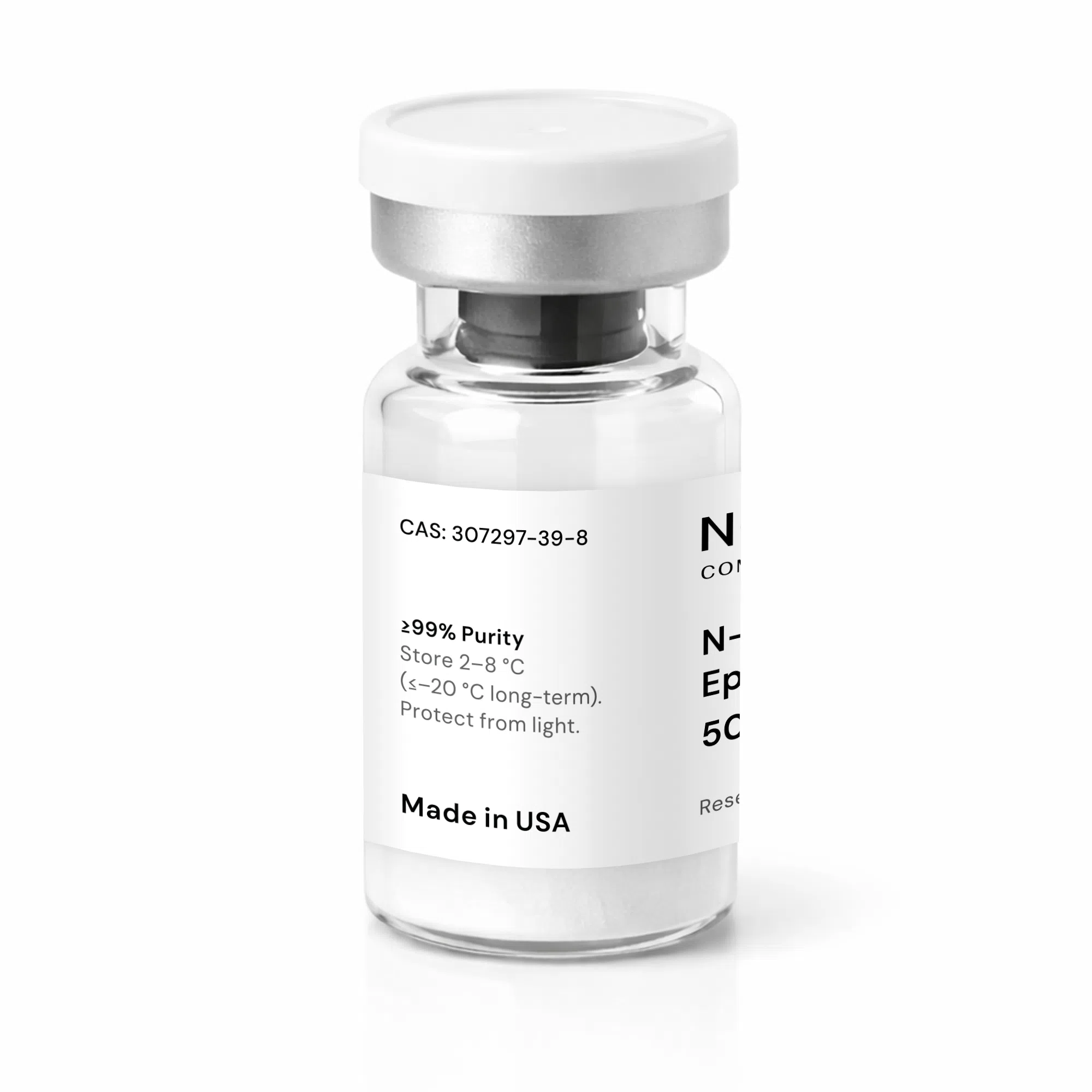
Preparation and research workflow: how to reduce variability in peptide handling
Without getting into instructions that would enable unsafe misuse, here’s the research mindset I recommend for n acetyl epithalon amidate: treat preparation as a controlled process, not a casual one. Variability often comes from handling, not the theory behind the compound.
Standardize your variables
In my experience, the most useful steps are the boring ones:
- Use the same prep workflow across runs (same order of steps, same timing discipline).
- Record everything (batch, handling times, preparation notes, any deviations).
- Aliquot thoughtfully to avoid repeated exposure cycles that can introduce inconsistencies.
Plan for measurement accuracy
With peptides, “close enough” can become the dominant error source. I’ve seen experiments drift when measurement tools weren’t matched to the scale of the work. My rule of thumb: choose equipment and workflow so the uncertainty introduced by measurement is smaller than the differences you’re trying to detect.
Design experiments to learn, not just to confirm
If you’re researching n acetyl epithalon amidate, consider starting with a design that helps you learn quickly:
- Use a clear control strategy.
- Predefine how you’ll interpret results.
- Run enough replicates to distinguish signal from handling noise.
Common pitfalls (and what I changed after seeing the data)
Here are the recurring issues I’ve encountered when teams worked with modified research peptides like n acetyl epithalon amidate:
- Pitfall: assuming product names guarantee identical chemistry. Fix: treat each modified form as a distinct material and document everything.
- Pitfall: inconsistent prep timing. Fix: standardize handling windows and record them.
- Pitfall: insufficient batch comparison. Fix: confirm consistency across batches before drawing conclusions.
- Pitfall: vague documentation. Fix: maintain a simple, repeatable record of batch, date received, and preparation notes.
One lesson I learned the hard way: when a protocol “almost works,” the biggest improvement usually isn’t changing the peptide—it’s improving the process discipline around it.
FAQ
Is n acetyl epithalon amidate the same as other epithalon-related products?
No. Even when names sound similar, modifications (like N-acetyl and amidate) can affect handling behavior and research outcomes. Treat it as its own material and rely on batch-specific documentation.
What should I check before purchasing n acetyl epithalon amidate (50mg or similar sizes)?
Prioritize batch traceability, reliable third-party testing or clear analytical specifications, and storage/label information that supports consistent preparation. If documentation is unclear, I treat it as a research risk.
How can I reduce variability when working with this type of peptide?
Standardize your prep workflow, document handling details, aliquot thoughtfully to limit repeated exposure cycles, and design experiments with appropriate controls and replicates so handling variability doesn’t overwhelm your signal.
Conclusion: your next step is to lock down sourcing and process consistency
n acetyl epithalon amidate can be a reasonable candidate for peptide research work, but results depend heavily on quality documentation and process consistency. In my hands-on experience, the strongest improvements come from tightening supplier traceability, standardizing preparation workflow, and recording batch-specific details so you can interpret outcomes confidently.
Next step: before you place an order, compile a short checklist for your vendor—batch traceability, relevant analytical documentation, and storage/label clarity—then align your internal workflow to minimize handling variability.
Discussion