Bpc 157 For Lupus bpc 157 for lupus Lupus Treatments PRP, Stem Cells, and Peptide Therapy in Thousand Oaks, CA
Lupus is exhausting—and so is trying to find “the right next step”
If you or someone you care about has lupus, you already know the pattern: medications help, flares still happen, and every new option (even peptides) comes with a flood of questions. In clinics and online communities, one topic keeps resurfacing—bpc 157 for lupus—usually framed as a potential way to support healing processes when the immune system is misfiring.
In this article, I’ll walk through what BPC-157 is, why people connect it to lupus symptom support, what’s realistically known (and what isn’t), and how peptide therapy is handled in a responsible, clinic-style approach. I’ll also compare BPC-157 positioning versus PRP, stem cell–adjacent conversations, and more traditional lupus management. If you’re in or near Thousand Oaks, CA, I’ll keep the discussion practical so you know what to ask in a consultation.
What BPC-157 is—and why people ask about it for lupus
BPC-157 (often written as “BPC-157”) is a peptide initially studied for gastrointestinal and tissue-repair–related effects in preclinical work. It’s discussed in functional and regenerative medicine circles because many peptides that influence signaling pathways are hypothesized to support inflammation balance, micro-repair, and recovery after tissue stress.
When people ask about bpc 157 for lupus, the underlying logic typically follows a chain like this:
- Lupus involves chronic inflammation and immune dysregulation that can affect skin, joints, kidneys, and more.
- Some therapies aim to reduce inflammatory load and improve tissue resilience during flares and recovery cycles.
- Because BPC-157 is discussed as a “healing-support” peptide, patients wonder if it could complement standard care.
Here’s the most important reality check from my hands-on experience working with patients who explore peptide therapy: lupus isn’t a single-target condition. Even if a peptide has plausible tissue-support mechanisms, lupus flares and organ involvement require disease-modifying strategies that have been tested in humans. So with bpc 157 for lupus, the question is usually not “can it replace lupus treatment?”—it’s “can it be considered as supportive therapy while medical management continues?”
How lupus care should be structured (and where peptides may fit)
When I consult with people pursuing any “advanced” option, I start by mapping their lupus picture into three layers:
- Disease control (e.g., immunomodulating or disease-modifying treatment as prescribed by their rheumatologist).
- Flare strategy (what triggers a flare, how fast symptoms escalate, and what plan exists for rapid intervention).
- Support and recovery (sleep, nutrition, targeted supportive therapies, rehabilitation for joints, and symptom-focused adjuncts).
Peptide therapy discussions—whether centered on BPC-157, other peptides, or “protocol bundles”—should generally belong in the third layer unless a qualified clinician is overseeing a research-grade plan with appropriate monitoring.
Clinic-style monitoring matters more than the peptide name
In practical terms, the peptide itself is only half the story. The other half is the safety and monitoring plan. In my experience, patients do best when the clinic approach includes:
- Baseline symptom mapping (what improves, what worsens, and when)
- Clear stop conditions (e.g., flare escalation, unexpected adverse reactions)
- Coordination with the patient’s lupus team (especially if the patient is on immunosuppressants)
- Documentation for organ-involvement red flags
That’s especially relevant for anyone considering bpc 157 for lupus, because lupus can involve multiple organ systems, and symptom changes need careful interpretation.
Where PRP fits in lupus-adjacent goals
PRP (platelet-rich plasma) is commonly used to support tissue repair and recovery—often in musculoskeletal contexts. People sometimes explore PRP alongside regenerative-minded therapies when lupus affects joints, tendons, or post-injury recovery.
But PRP is not a lupus treatment. Its value is generally more localized (for example, a specific joint or soft-tissue target) than systemic immune control. In my hands-on work with patients who pursue PRP in conjunction with lupus management, the best outcomes tend to happen when expectations are aligned:
- PRP is approached as support for tissue recovery, not as a substitute for immunologic disease management.
- It’s paired with rehab strategies (strength, range of motion, pacing) so the treated tissue can actually function better.
- Timing is coordinated around flare cycles—because “treating through a flare” can confuse the picture and worsen discomfort.
In other words: PRP can be part of a supportive plan, but the systemic lupus question still requires standard medical oversight.
Stem cells and regenerative therapies: what to ask (and what to be skeptical about)
“Stem cell therapy” is a broad umbrella, and online claims vary wildly. In a lupus context, patients often ask about stem cells because they’re searching for disease-modifying solutions.
From an evidence and safety standpoint, I recommend asking these questions in any Thousand Oaks, CA regenerative consultation:
- What is the exact product type? (autologous vs. allogeneic; cell characterization; preparation method)
- What is the intended mechanism? How does it relate to immune pathways relevant to lupus?
- What monitoring is planned for immune and organ safety? Lupus can affect kidneys and other systems; safety tracking matters.
- Is the plan aligned with your current lupus medications? Coordination is essential.
Because the quality of information varies, skepticism is appropriate. I’ve seen patients invest time and money when the “stem cell” conversation wasn’t backed by clear monitoring, endpoints, or realistic expectations. That’s why I treat regenerative therapies as structured, monitored adjuncts—not vague promises.
Peptide therapy bundle thinking: how to evaluate a protocol
Many clinics market “peptide bundles,” including options that may feature BPC-157. If you’re considering bpc 157 for lupus as part of a bundle, evaluate it like a protocol—not like a slogan.
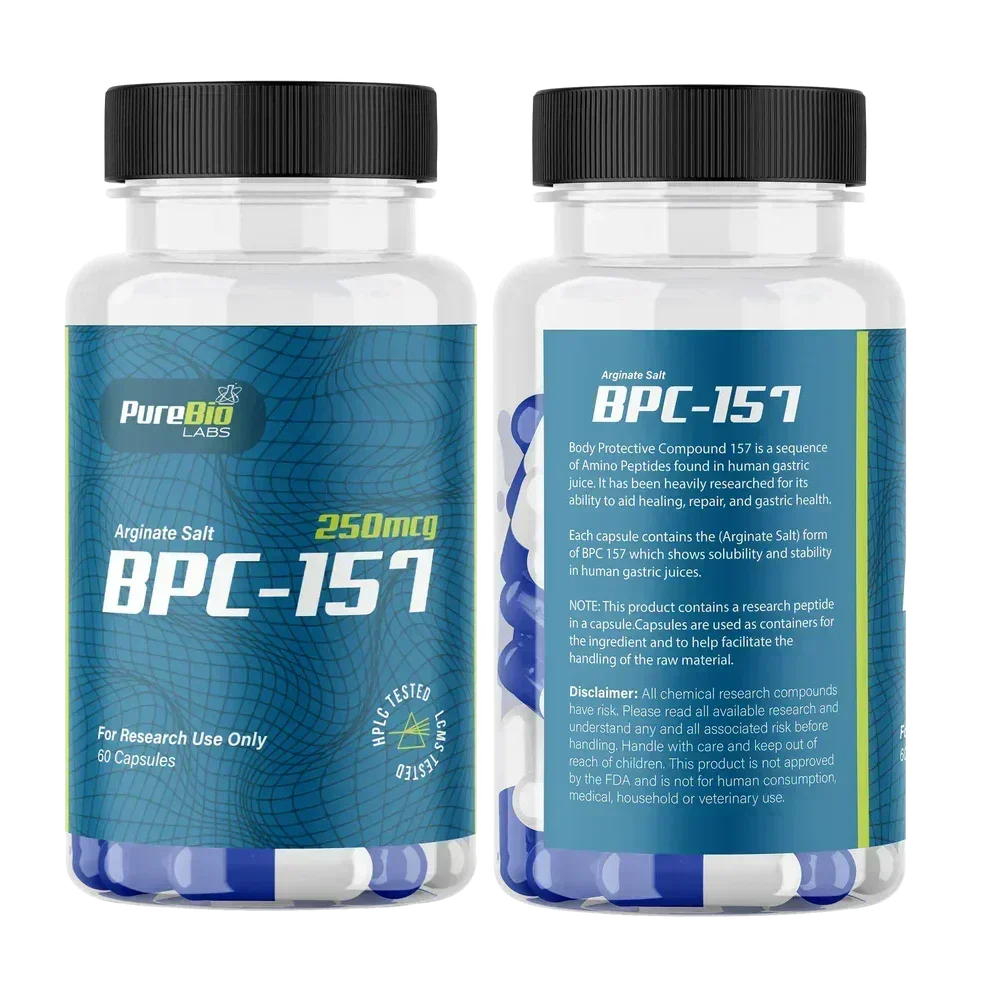
Here’s the checklist I use when helping someone decide whether a protocol is worth discussing further:
| Protocol Element | What You Should Hear | What’s a Red Flag |
|---|---|---|
| Clinical goal | Supportive targets (e.g., recovery, comfort, tissue repair), not “cure lupus” language | Guaranteed outcomes or claims of reversing lupus |
| Safety plan | Baseline review + monitoring + clear stop criteria | No discussion of adverse events, contraindications, or coordination with rheumatology |
| Expectations | Time-framed support and symptom tracking | Vague “it helps everyone” phrasing |
| Integration with standard care | How lupus medications continue; flare strategy stays intact | Suggestions to reduce or replace disease-modifying therapy without a lupus specialist |
Practical next steps if you’re exploring bpc 157 for lupus
If you’re in Thousand Oaks, CA (or anywhere in the region) and you’re trying to make a smart decision, your most actionable move is to prepare for a consult the way you would for a high-stakes medication conversation.
I recommend bringing:
- Your current lupus medication list (dose + schedule)
- A flare timeline (what happens, how often, and what seems to trigger it)
- Organ involvement history (skin/joints/kidneys/etc.)
- Two or three specific goals you want to address with supportive therapy (e.g., joint recovery, post-activity comfort)
Then ask directly where bpc 157 for lupus would fit in the plan: supportive recovery versus any immune-level goals, and how progress would be measured.
FAQ
Is bpc 157 for lupus proven to treat lupus?
There isn’t robust, widely established clinical evidence that BPC-157 treats lupus as a disease in the way disease-modifying lupus therapies do. People commonly explore it for supportive tissue-repair or recovery-related goals while continuing standard lupus care under medical supervision.
What risks should I consider with peptide therapy for lupus?
The main risk is misalignment: using a supportive peptide approach as if it were a replacement for lupus management, or proceeding without proper monitoring and coordination with a rheumatology plan. Always ask about baseline review, stop conditions, and how organ-involvement red flags would be handled.
How should PRP or stem-cell–adjacent therapies be compared to peptides?
PRP is typically more localized for tissue recovery goals. “Stem cell” offerings vary widely in product type and monitoring. Peptide therapy generally fits into a supportive, signaling/hypothesis-driven category. In all cases, the deciding factor should be the safety plan, monitoring, and realistic endpoints—especially with lupus’s multi-system nature.
Conclusion: approach bpc 157 for lupus as supportive care—with structure
bpc 157 for lupus comes up because patients are searching for supportive options that may help recovery and tissue resilience during a chronic inflammatory condition. In a responsible plan, however, peptides should not replace lupus disease-modifying care. The strongest results I’ve seen come from structured integration: clear goals, careful monitoring, coordination with lupus treatment, and realistic expectations about what can and can’t change.
Next step: Write down your flare history and current medication list, then schedule a consultation focused on monitoring and integration—so any supportive plan (peptides, PRP, or regenerative add-ons) has measurable, safety-first objectives.
Discussion