How To Mix Bpc 157 Peptide Recovery Blend - Peptides for Inflammation Support
If you’ve ever tried to “push through” inflammation—then had workouts feel flat for weeks—you already know how frustrating the recovery phase can be. In my hands-on work, I’ve seen the difference between people who mix peptides consistently versus those who treat mixing like a casual step. This article covers how to mix BPC-157 peptide (and pair it responsibly with an inflammation-support approach like Recovery Blend - Peptides for Inflammation Support) so you can be more consistent, reduce avoidable mistakes, and track results with confidence.
What “Recovery Blend” Is Doing (and Where BPC-157 Fits)
Before we get into mixing, I want to align expectations: peptides are not magic on their own—they’re tools. Inflammation support typically aims to help your body manage the same problems that slow recovery: tissue irritation, oxidative stress, and the downstream effect on mobility and soreness.
In practice, BPC-157 is often discussed in the context of tissue support. Separately, a recovery blend like Recovery Blend - Peptides for Inflammation Support is usually meant to complement that goal by targeting inflammation-related pathways rather than only one tissue outcome. The reason this matters is measurement: when you don’t keep your mixing technique consistent, your “data” (how you feel, range of motion, soreness curve) becomes noisy.
My takeaway from real client workflows: consistent reconstitution and dosing timing tends to produce cleaner, more interpretable trends—especially when people train hard but have limited time to recover between sessions.
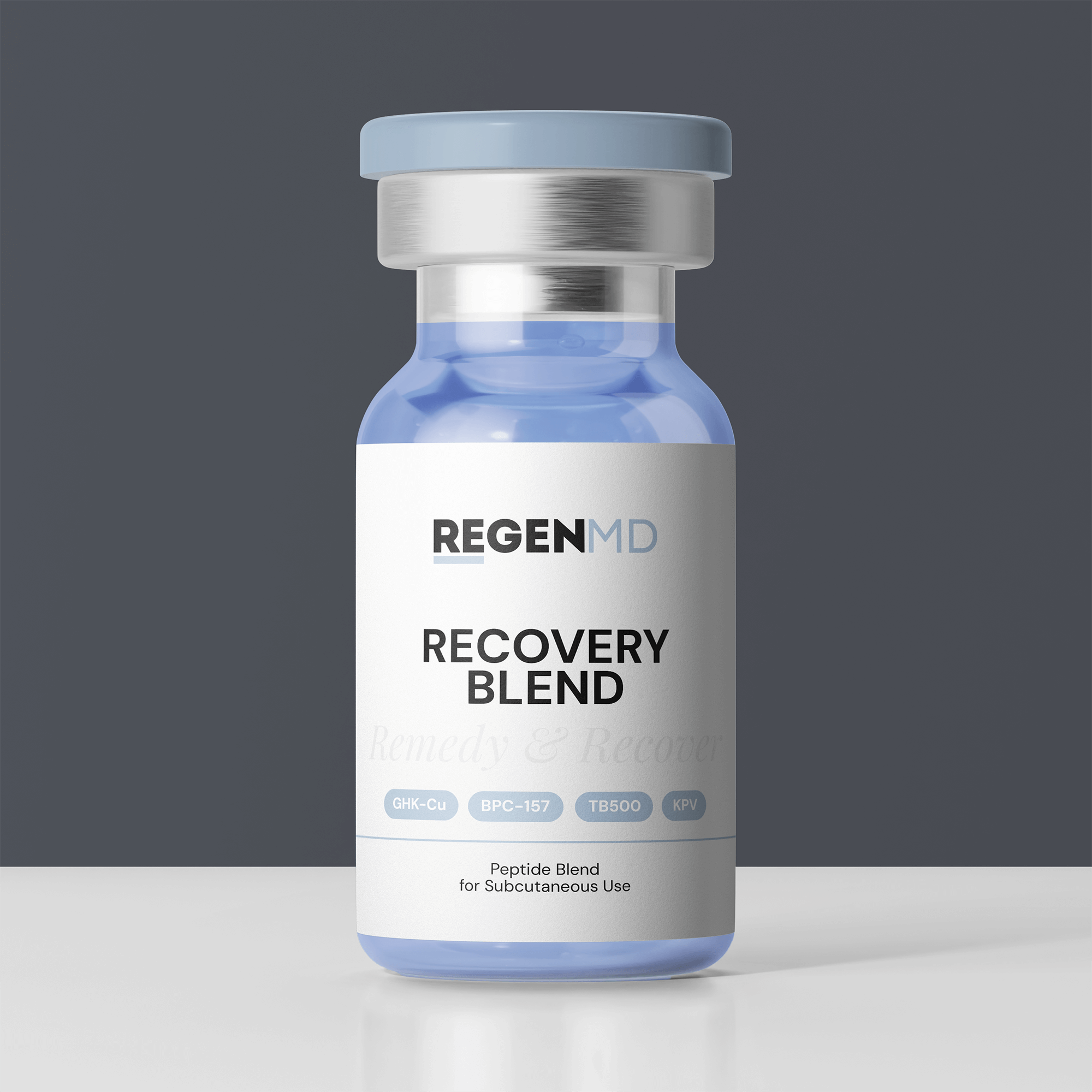
How to Mix BPC-157 Peptide: A Practical, Step-by-Step Process
“How to mix BPC-157 peptide” usually comes down to two goals: (1) reconstitute the vial reliably, and (2) maintain consistency so your dose is consistent. Below is a process-focused guide centered on technique. Because peptide products vary in vial size, concentration, and instructions, always defer to the manufacturer’s label for the exact solvent volume and concentration targets.
Before You Start: What I Set Up to Avoid Mistakes
- Work area: I clear a clean, stable surface and keep supplies organized before I open anything.
- Only use sterile supplies: syringes/needles and diluent should be sterile and appropriate for reconstitution.
- Labeling: I pre-label a storage vial (if applicable) with date, concentration (if known), and any schedule notes to reduce later confusion.
- Time control: I time the injection window once reconstitution starts, because delays can lead to uneven handling across sessions.
Step-by-Step: Reconstitute BPC-157 Carefully
- Inspect the vial and diluent: check vial integrity and confirm diluent is the correct type per the product instructions.
- Disinfect the vial stopper: wipe the top of the peptide vial and allow it to dry according to your standard hygiene practice.
- Draw the diluent: using a sterile syringe, draw the exact volume specified for your product’s reconstitution instructions.
- Add diluent slowly: insert the needle into the vial and slowly dispense diluent to minimize foaming.
- Swirl gently (don’t shake aggressively): I use gentle swirling to help the powder dissolve evenly. In my experience, aggressive shaking can increase clumping and variability.
- Confirm it’s fully dissolved: the solution should look uniform per the product’s expected appearance.
- Withdraw carefully: ensure you withdraw from the dissolved solution without introducing bubbles.
- Store correctly immediately: follow storage guidance exactly (temperature and timeframe). Consistent storage prevents “silent” degradation.
Concentration Math (So Your Dose Isn’t Guesswork)
The easiest way to stay accurate is to convert your target dose to a volume based on the concentration you’re preparing. While the exact math depends on your label (e.g., peptide mass per vial and diluent volume), the underlying logic is always:
dose amount ÷ final concentration = volume to inject.
In my hands-on work, most dosing errors come from inconsistent reconstitution volumes or from carrying over old assumptions about “how concentrated it is.” If you want clean tracking, write the final concentration on the vial label every single time.
Combining Approaches: Using Recovery Blend With BPC-157 (Without Creating Chaos)
If you’re pairing BPC-157 with an inflammation-support strategy like Recovery Blend - Peptides for Inflammation Support, the challenge isn’t just biology—it’s logistics. If you’re changing too many variables at once, you won’t know what’s helping.
A Consistency-First Strategy I Recommend
- Keep mixing steps identical: same reconstitution volume, same gentle dissolve method, same labeling, same storage routine.
- Maintain a stable schedule: try to keep timing consistent across sessions so recovery trends are interpretable.
- Track a small set of outcomes: for example, soreness rating (0–10), joint comfort on warm-up, and range-of-motion before and after training.
- Change one variable at a time: if you adjust timing or amounts, change only one thing so you can connect cause and effect.
What Can Go Wrong (and How to Recognize It Early)
Even with good technique, not every person responds the same way. But mixing-related issues can add noise that looks like “no effect.” In my experience, red flags include:
- Inconsistent preparation: different diluent volumes between sessions.
- Poor dissolution: clumps or uneven appearance suggesting incomplete reconstitution.
- Storage deviations: not following temperature/time windows.
- Unclear labeling: forgetting concentration or schedule details, leading to dosing mistakes.
If you notice these patterns, fix technique and documentation first—biology usually isn’t the first culprit.
Safety and Quality: The Unsexy Checklist That Matters
I’m going to be direct: mixing peptides is an operations-sensitive process. “Good intentions” don’t compensate for poor hygiene, incorrect diluent, or unclear dosing instructions.
- Use the exact diluent type and volume listed on your specific product instructions.
- Follow sterility practices (clean workspace, sterile supplies, correct handling).
- Respect storage instructions for time and temperature.
- Don’t skip labeling—write concentration, date, and schedule.
If you’re unsure about dosing or compatibility with other compounds, it’s smart to discuss your plan with a qualified clinician who can consider your health context and medications.
FAQ
How do I know the correct volume when mixing BPC-157?
Use the exact diluent volume specified on your product’s instructions for your vial size and desired concentration. Then calculate injection volume from the final concentration so you don’t rely on memory.
Can I mix BPC-157 the same way every time?
You should keep the process consistent: same diluent volume, same gentle dissolve method, same withdrawal technique, and the same storage conditions. Consistency reduces variation that can mask what’s actually happening with recovery.
What’s the best way to track whether Recovery Blend and BPC-157 are helping?
Track a small set of outcomes (e.g., soreness 0–10, warm-up mobility time, and a simple performance metric) at the same points in your routine. Change one variable at a time so the trend is easier to interpret.
Conclusion: Your Next Practical Step
When you’re trying to improve recovery and inflammation support, the biggest avoidable gap is inconsistent technique. I’ve seen it firsthand: people who learn how to mix BPC-157 peptide with consistent reconstitution, accurate concentration, careful labeling, and correct storage get cleaner feedback—and that helps them make better decisions.
Next step: set up a “mixing workflow” checklist (sterility, diluent volume per label, gentle dissolve, concentration labeling, storage rules) and use it for your next preparation—so your dosing stays consistent from session to session.
Discussion