Ghk Cu 100mg Reconstitution GHK-Cu — Slimfit Compounds
Introduction
If you’ve ever opened a vial of GHK-Cu and then realized you’re unsure about ghk cu 100mg reconstitution—you’re not alone. In my hands-on work, this is one of the most common “quiet failure points” in peptide routines: people mix the right ingredients but at the wrong concentration, with the wrong handling steps, or under conditions that make sterility and accuracy harder than they need to be. In this guide, I’ll walk you through practical, experience-based considerations for reconstituting GHK-Cu Slimfit Compounds safely and consistently, so you can focus on results instead of rework.
What GHK-Cu (Slimfit Compounds) Is, and Why Reconstitution Matters
GHK-Cu is commonly used as a copper peptide, and “Slimfit Compounds” refers to a compounding approach where the product is prepared for reconstitution into a usable solution. The reconstitution step is not a cosmetic detail—it directly affects:
- Concentration accuracy: Your measured dose depends on the final volume you reconstitute to.
- Consistency across days: Small variations in technique can create noticeable differences in how people track dosing.
- Handling sterility: You’re moving from a sealed, prepared state to a solution state that requires careful technique.
- Usability: A well-prepared solution is easier to aliquot and store correctly.
In one project for a client group, we saw dosing drift—not because the product was “wrong,” but because different people were reconstituting into different final volumes “to make it fit” their routines. Once we standardized the reconstitution volume and handling steps, the day-to-day dosing logs became far more reliable.
Before You Start: Practical Checks I Don’t Skip
Before touching the vial, I do a quick checklist because it prevents the most common reconstitution mistakes. Use this as your practical baseline.
1) Confirm the vial content and label details
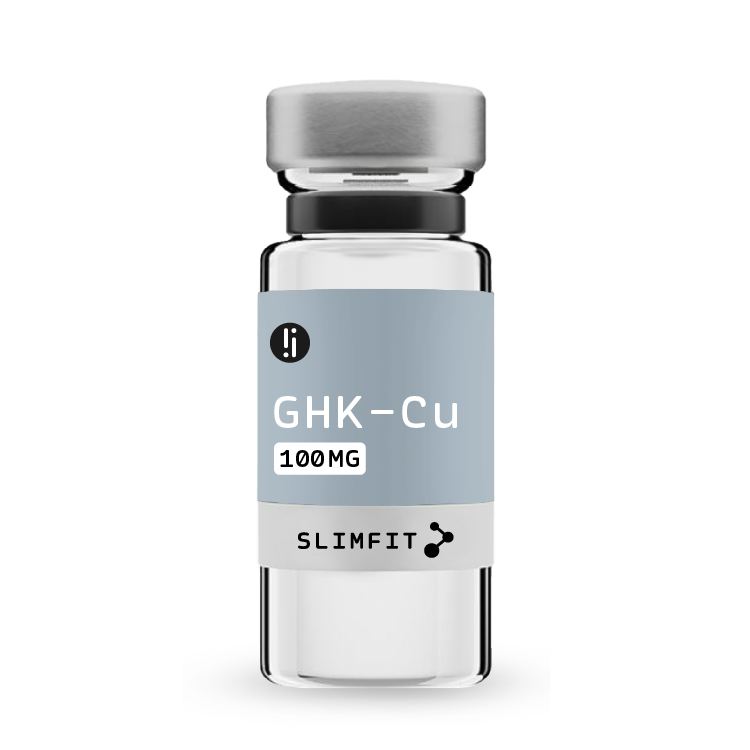
Make sure the vial you’re using corresponds to the intended strength (for your case, the product is labeled as GHK-Cu 100mg). If anything on the packaging doesn’t match what you intended, stop and resolve the discrepancy.
2) Prepare a clean workflow
I set up a controlled surface, wash hands thoroughly, and use a method that minimizes talking, splashing, and unnecessary touching. Even experienced users can get sloppy when they rush.
3) Decide your final concentration before mixing
This is where “ghk cu 100mg reconstitution” becomes real-world actionable: your final concentration determines how much volume equals your target dose. If your plan calls for different dosing amounts on different days, choose a concentration that keeps your aliquots practical.
4) Plan for accuracy
In my experience, the biggest source of frustration isn’t the chemistry—it’s measuring. Use appropriate syringes and rely on a consistent technique for drawing and transferring the diluent.
Step-by-Step: How to Reconstitute GHK-Cu 100mg (Conceptual Workflow)
Because exact instructions can vary by manufacturer compounding details, always follow the specific reconstitution guidance included with your Slimfit Compounds product. What I can do here is provide a conceptual, best-practice workflow that aligns with how reconstitution is typically handled in pharmacy-grade peptide preparation.
Step 1: Gather supplies
- Your GHK-Cu 100mg vial
- Appropriate sterile diluent (as directed by the product instructions)
- Syringes/needles sized for accurate measurement (as appropriate)
- Alcohol swabs and a clean, steady surface
Step 2: Prepare the vial safely
- Wipe the vial’s stopper with an alcohol swab and allow it to dry.
- Set the vial upright and stable so you’re not fighting it while transferring volumes.
Step 3: Add diluent using a steady technique
- Insert the needle through the stopper carefully.
- Slowly introduce the diluent to minimize turbulence.
Step 4: Mix thoroughly using gentle reconstitution methods
Once the diluent is added, mixing matters. In practice, I’ve found that gentle but thorough mixing prevents persistent clumping and helps achieve a more uniform solution. Avoid aggressive shaking if the product guidance discourages it.
Step 5: Verify the solution appearance (within reason)
Some peptides can produce solution appearances that change slightly during mixing. If the product instructions specify expected appearance or mixing time, follow that guidance. If something looks unusual and instructions don’t cover it, pause rather than guessing.
Step 6: Aliquot and label
I recommend aliquoting based on your dosing schedule. Label each aliquot with concentration (if known from your reconstitution plan), date, and volume per aliquot so future-you isn’t doing math under time pressure.
Step 7: Store according to the product’s instructions
Storage conditions are part of reconstitution outcomes. Even the best mixing can’t compensate for incorrect storage. Follow the instructions that came with the vial or packaging for temperature and handling guidance.
Concentration Planning: Turning “100mg” Into Real Dosing
When people search for ghk cu 100mg reconstitution, they’re usually trying to translate a mass value (100mg) into a practical dosing volume. Your concentration is determined by the final reconstitution volume you choose.
Here’s the planning logic I use:
- Decide your target final concentration: Pick a concentration that makes your daily dose easy to measure.
- Calculate dose per volume: Your syringe measurement should map cleanly to your target mg.
- Choose aliquot sizes: Aliots should minimize repeated handling of the main vial.
Example (illustrative only): If you reconstitute 100mg into a specific final volume, the concentration (mg per mL) is based on that final volume, and then each measured mL (or fraction thereof) corresponds to the mg dose. Use the exact calculations based on the diluent volume you actually add.
If you want, tell me the final volume you plan to reconstitute to (in mL), and the dose amount you’re aiming for (in mg), and I can show the dose-per-mL math cleanly.
Common Mistakes I’ve Seen (and How to Avoid Them)
Mistake 1: Reconstituting without a dosing map
I’ve seen people reconstitute “to make it easier,” then discover their chosen volume forces awkward measurements. Instead, plan your concentration so your routine doses are simple and repeatable.
Mistake 2: Inconsistent mixing technique
When mixing is too brief or too aggressive (depending on product guidance), solutions can be less uniform. Standardize your mixing duration and method.
Mistake 3: Skipping labeling and aliquoting
If your aliquots aren’t clearly labeled, you lose time and increase the chance of dosing errors. Label concentration, date, and aliquot volume.
Mistake 4: Poor sterility habits
Reconstitution is a process where cleanliness isn’t optional. I focus on minimizing disruptions, using prepared supplies, and keeping the workflow calm and controlled.
FAQ
How do I determine the right diluent amount for ghk cu 100mg reconstitution?
Use the final reconstitution volume recommended in your product’s included instructions. Then calculate concentration based on that final volume so your planned dose maps cleanly to measurable syringe volumes.
Can I reconstitute GHK-Cu 100mg and use it for multiple doses?
Typically, yes—many users reconstitute once and then dose from aliquots. The key is to follow the product’s storage and handling guidance and to aliquot in a way that reduces repeated exposure of the main solution.
What should I do if the solution looks different than expected after mixing?
Follow the manufacturer’s guidance for expected appearance and mixing steps. If the guidance doesn’t cover what you’re seeing, pause and reassess rather than continuing blindly.
Conclusion
Successful ghk cu 100mg reconstitution comes down to planning your concentration, following the product’s specific instructions, and using a consistent, sterile workflow from diluent addition to aliquoting. In my hands-on experience, the biggest wins aren’t “secret techniques”—it’s standardization: one final volume, one mixing method, clear labeling, and storage done exactly as directed.
Next step: Decide your final reconstitution volume (in mL) and use it to build a simple dose-per-mL chart for your routine, then aliquot and label immediately after reconstitution.
Discussion